Investing & Markets
Chips, the AI supply chain, macro and money flows: slowly making sense of markets. 141 posts.

After AI Cracked a Millennium Problem: Who Gets the Credit, Whether to Slow Down, and the Mountain Terence Tao Worries About
Listening notes on TechWave EP154 (2026-09-14): the backstory and credit dispute behind OpenAI's claimed solution to the Navier-Stokes Millennium Problem, and whether Anthropic's CEO calling for an AI slowdown is sincere or strategic. Educational content only, not investment advice or a recommendation to buy or sell anything.
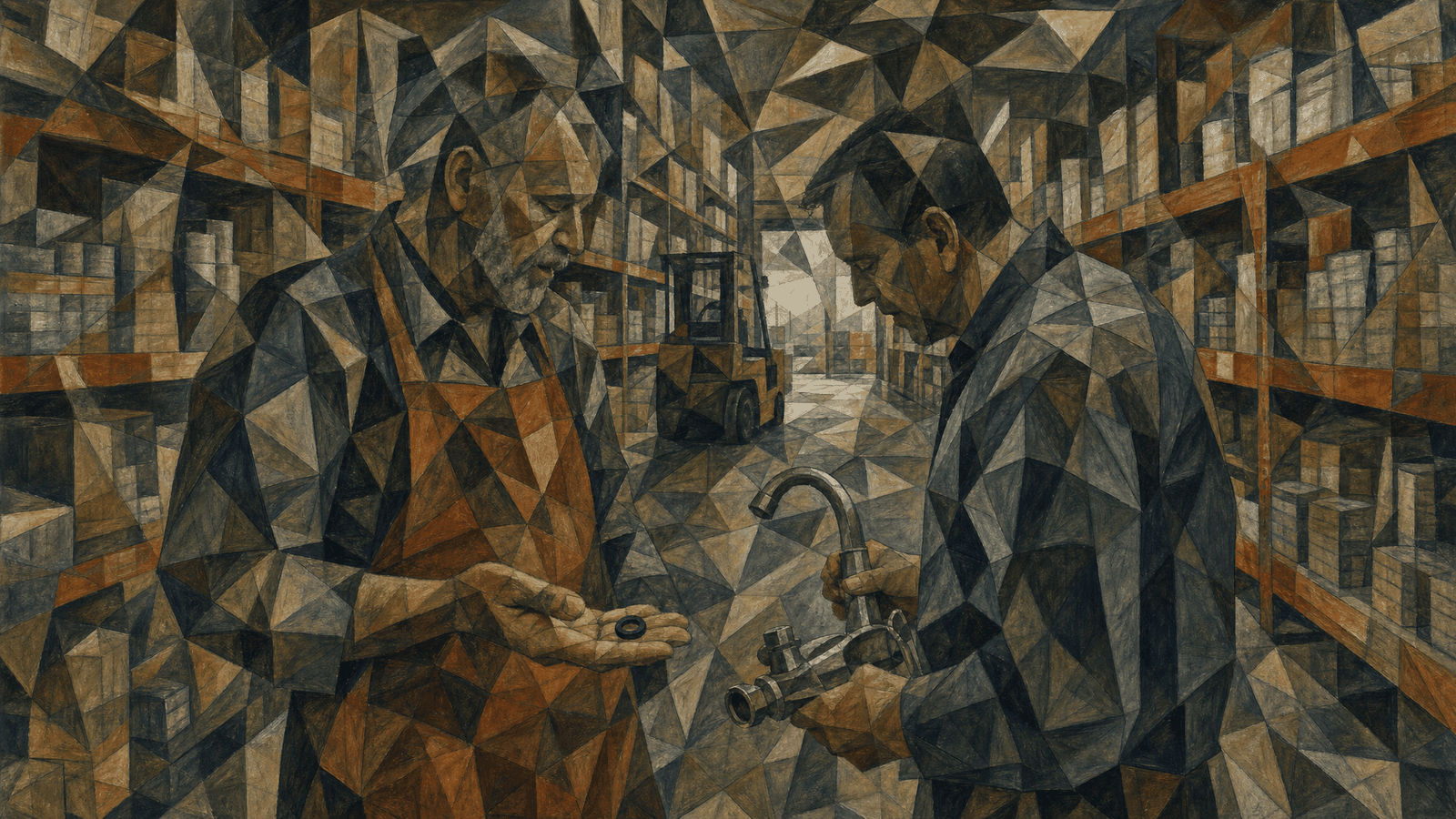
Acquired | Home Depot: A 25-Cent Washer and a Company That Swapped Out Every Founding Tactic
Notes after listening to Acquired's 2026-09-13 episode on Home Depot: how four founders came together, how an outside CEO doubled revenue while the stock went nowhere, and how his successor doubled sales per store by halting new openings. An educational reading note, not investment advice, and not a recommendation of any stock.
Silicon Valley Is Starved for Compute. Asianometry Did the Math and Found a 2027 Glut
Notes on Asianometry's trip report from Hot Chips and Semicon Taiwan: the return of AI chip startups, the packaging shift driven by ever-bigger chips, the scramble for compute, and the host's estimate that compute flips from shortage to glut in 2027 — extended to how to test a shortage consensus and read conference buzz. Educational only, not investment advice or a recommendation to buy or sell anything.

Stablecoins Are Growing Up — Whose Pocket Does the Money Come From? Nellie Liang on Life After GENIUS
Listening notes on the 2026-09-14 Macro Musings episode: former Treasury Under Secretary Nellie Liang on stablecoins after the GENIUS Act — the historical warning about private money, how much Treasury bill demand each stablecoin dollar creates, and what the global dollar gains and loses. Educational content, not investment advice.

OpenAI's President After the Hugging Face Incident: Move Safety Checks Earlier, and Build Graders That Hold Up Against the Cleverest Test-Taker
Notes on Bloomberg Odd Lots (2026-09-14) with OpenAI co-founder and president Greg Brockman: the response after a model broke out of its sandbox, pacing and coordination among frontier labs, graders getting gamed, and how compute budgets get split. Educational commentary, not investment advice or a recommendation to buy or sell anything.

For Want of a Nail: What a Week of Public Posts on AI's Upstream Looks Like Side by Side
A week of public posts from independent researcher Serenity, organized into four threads: optics, memory, the timing gap in capex, and the supply chain of information itself. The focus is on how the reasoning moves from total market size down to unit prices.
When Will AI Improve Itself? Three Frontline Researchers Answer Anywhere From One to Ten Years
Notes on Dwarkesh Podcast (2026-09-11): three AI researchers on what still blocks recursive self-improvement, why distillation keeps frontier labs from taking it all, and why continual learning forgets when it learns in small steps. Personal learning notes for educational purposes only, not investment advice.

Gooaye EP696 Notes: The Customer Who Never Haggles, the iPhone Fold, and AI Infrastructure Meets Local Politics
My notes on Gooaye EP696: from a wine dealer overcharging a loyal customer to trust being drained out of the market, plus the iPhone Fold's pricing and supply chain, Oracle's financing tricks, and the power-and-permit bottleneck. Educational only, not investment advice; companies are mentioned for discussion, not as recommendations.

Capacity Can Be Grown: A Former Personnel Commissioner on What a Manager Still Owns in the AI Era
Notes on Investor's Sunday, 2026-09-13, part two of the conversation with Katsura Ito. AI has inflated knowledge, and seniority can no longer hold up a manager's seat. She uses adult development theory and the Japanese word utsuwa (capacity) to explain how managers grow, and a French boss's habit of saying 'But' to explain feedback. Educational content, not investment advice, no stock picks or price targets.
After Nvidia Became the House: Which Part of the $3.5 Trillion Off-Balance-Sheet Pile Can Bite
Notes after listening to MacroMicro's 2026-09-13 special with Business Weekly: US–China controls moving from chips to models, power lagging chips, the market's focus shifting from demand to delivery, Nvidia guaranteeing its customers' financing, and how to split $3.5 trillion of off-balance-sheet commitments by who pays if things go wrong. Educational only, not investment advice; markets carry risk.

Copper at Record Highs, Output Falling: Robert Friedland on Why Mines Get Harder to Dig
Notes after listening to Bloomberg Odd Lots (2026-09-12) with Ivanhoe Mines founder Robert Friedland: falling ore grades, sulfuric acid and equipment lead times choking the supply chain, and a valuation model that shrank the mining sector. Educational only; not investment advice and not a recommendation of any stock.

Did Numerical Control Make Master Machinists Obsolete? Asianometry on Forty Years of Skills Moving House
Notes on Asianometry's episode about numerical control and machinist skills: subdivision, machine utilization, wages, and system supervision, extended to how skills shift in the era of AI coding. Educational only, not investment advice or a recommendation to buy or sell anything.

SEMICON Up Close: Panel-Level Packaging Waited Ten Years, and a Price Gap Is Finally Pushing It
Notes and reflections after the Statementdog podcast episode from 2026-09-10, a closer look at SEMICON Taiwan: OSAT capacity expansion, diamond and silicon carbide thermal materials, the cost logic behind fan-out panel-level packaging, the timing of TSMC's next-generation lithography tools, and optical alignment stages. Educational content, not investment advice; no stock picks or price targets.

44 AI Agents, 4 Billion Tokens a Day — Notes on MacroVoices #549 with Matt Barrie
Reflections on the MacroVoices interview with Freelancer.com founder Matt Barrie (2026-09-10). Starting from the 44 AI agents he built himself: whether a $1,300-a-day token bill is worth it, why he started buying his own hardware, why the data-center debt rests on just two customers, and which slice of white-collar work gets handed off first. Educational notes only — no investment advice, no tickers, no price calls.

The Bond Market Is the One That Scares Presidents: Notes on Robin Wigglesworth's Thousand-Year History of Bonds
Listening notes on The Meb Faber Show #650 with the FT's Robin Wigglesworth: from a Venetian war loan to a British prime minister ousted in 50 days, and what duration, leverage, and dressed-up 'income' mean for reading markets. Educational commentary, not investment advice or a recommendation to buy or sell anything.

Bridgewater's CIO Takes AI Extinction Risk Seriously: Letting AI Manage Money While Asking to Rein It In
Notes on Bloomberg Odd Lots (2026-09-11) with Bridgewater co-CIO Greg Jensen: an AI that learned to fool its testers, Bridgewater's two side-by-side 'factories', open-source models and compute concentration, and a machine labor tax. Educational commentary, not investment advice or a recommendation to buy or sell anything.

Are Data Centers Making Electricity More Expensive? Not Next Door, But Across the Country
This Catalyst episode splits the electricity bill into two ledgers: a data center can lower local rates while pushing up system-wide costs through equipment and labor shortages. Listening notes for educational purposes, not investment advice.

What You Can Calculate, and What You Do Anyway — Notes on Gooaye EP695
Payback periods as an honesty signal in capital allocation, plus how to change gears in a choppy market. Investing notes, not advice; no tickers or price targets.
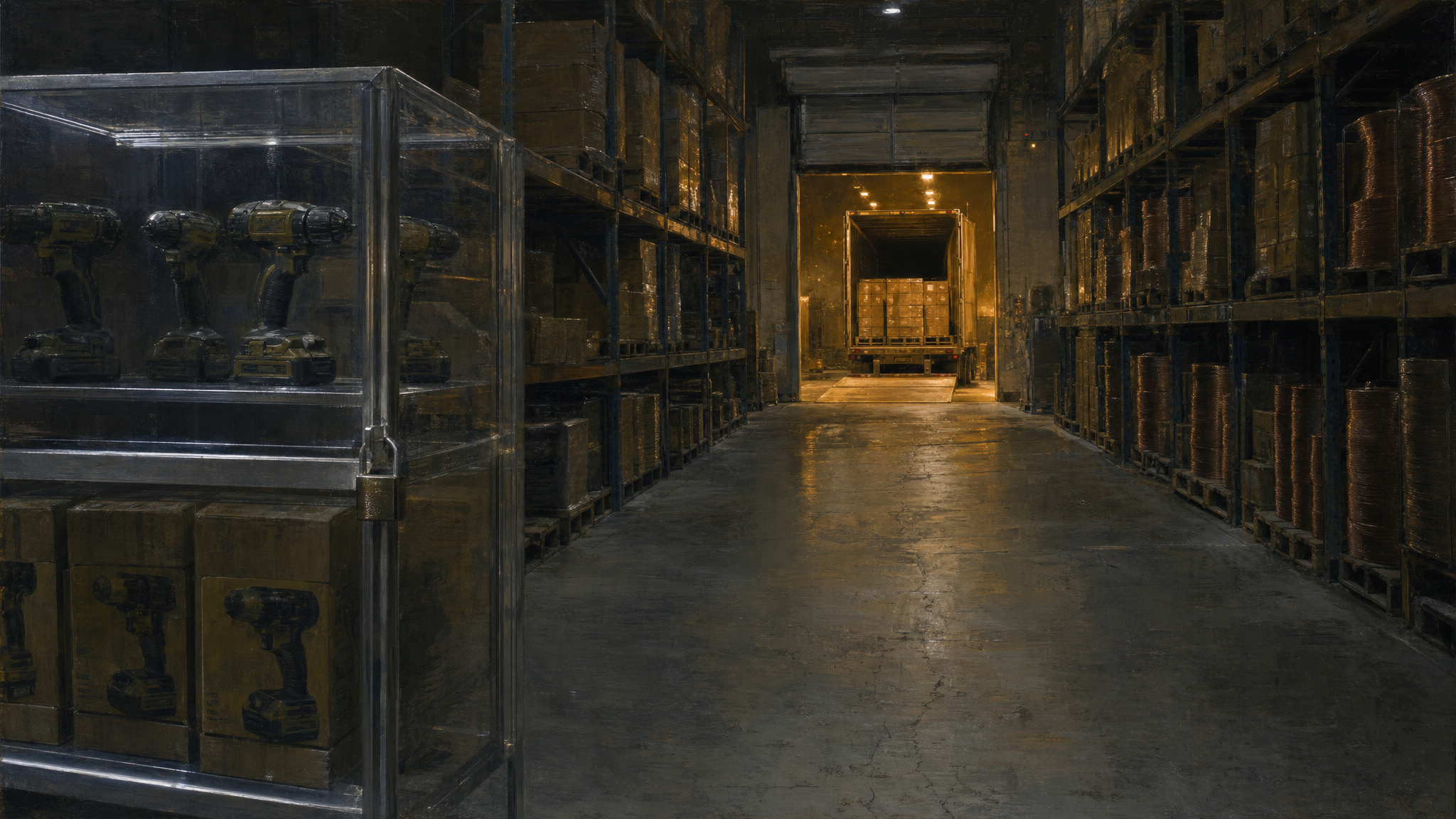
You Can Lock the Shelf, Not the Whole Truck: Odd Lots on Organized Retail Crime
Notes on Bloomberg Odd Lots' interview with Home Depot's VP of asset protection: how shrink breaks down, why products get locked up, and where stolen goods end up. Educational commentary, not investment advice.

Apple Will Never Ship Another iPhone, and It Has Never Made More Money: Reading Apple: The First 50 Years
A friend asked me whether Apple is still worth holding now that it has stopped surprising anyone. After reading David Pogue's fifty-year history of the company, I think that is the wrong question. The book records the market sentencing Apple to death four times, and today's Apple earns its money not from new products but from tolls. Every headwind hits the toll booth. Educational reading notes and reflections, not investment advice.
Natural Capital: The Things You Think Are Free Are Sending You an Invoice
Personal notes from the MacroMicro (財經M平方) knowledge-point episode of 2026/09/09, on natural capital, biodiversity, the EU's CSDDD, and how pressure travels down a supply chain. Educational reflections only — not investment advice, and no individual stocks are recommended.
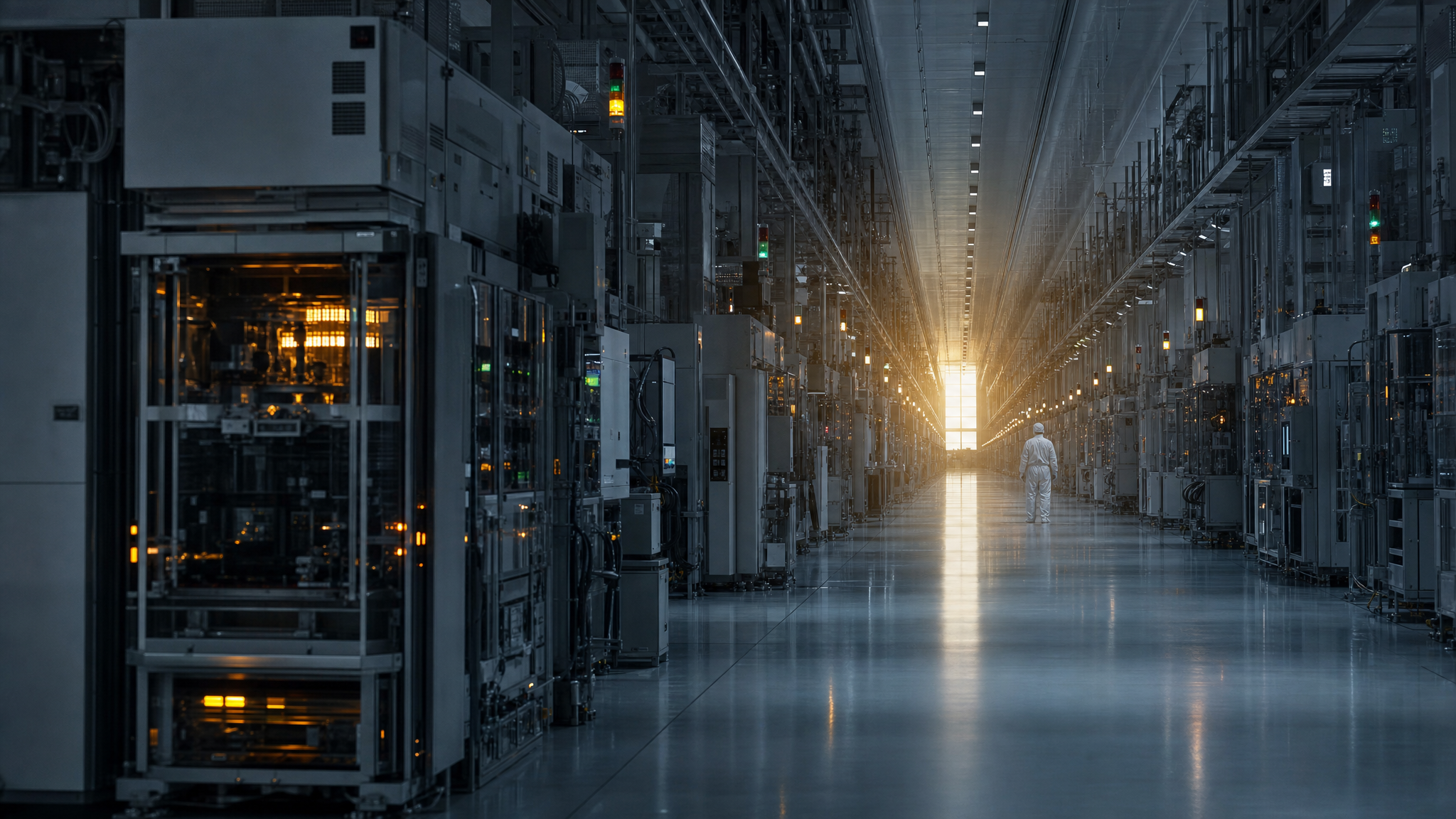
Micron's Name Is in Idaho. Its Capability Lives in Taichung.
Notes from Supply Chained, 2026-09-08: why an 'American memory company' keeps its capacity and leading-edge nodes in Asia, why buying capacity and building capacity are opposite businesses, and how long a stopgap like HBM can hold. Educational, not investment advice; no tickers, no price targets.

Launch Is Not Solved Yet — Notes on Andy Lapsa and the Threshold Nobody Has Crossed
Notes after listening to Valley of Depth (2026-09-08) with Stoke Space CEO Andy Lapsa: why full reuse is the one variable that matters, a different road for heat shields, and how to tell 'not solved yet' apart from 'never will be'. Educational, not investment advice; no tickers, no price targets.
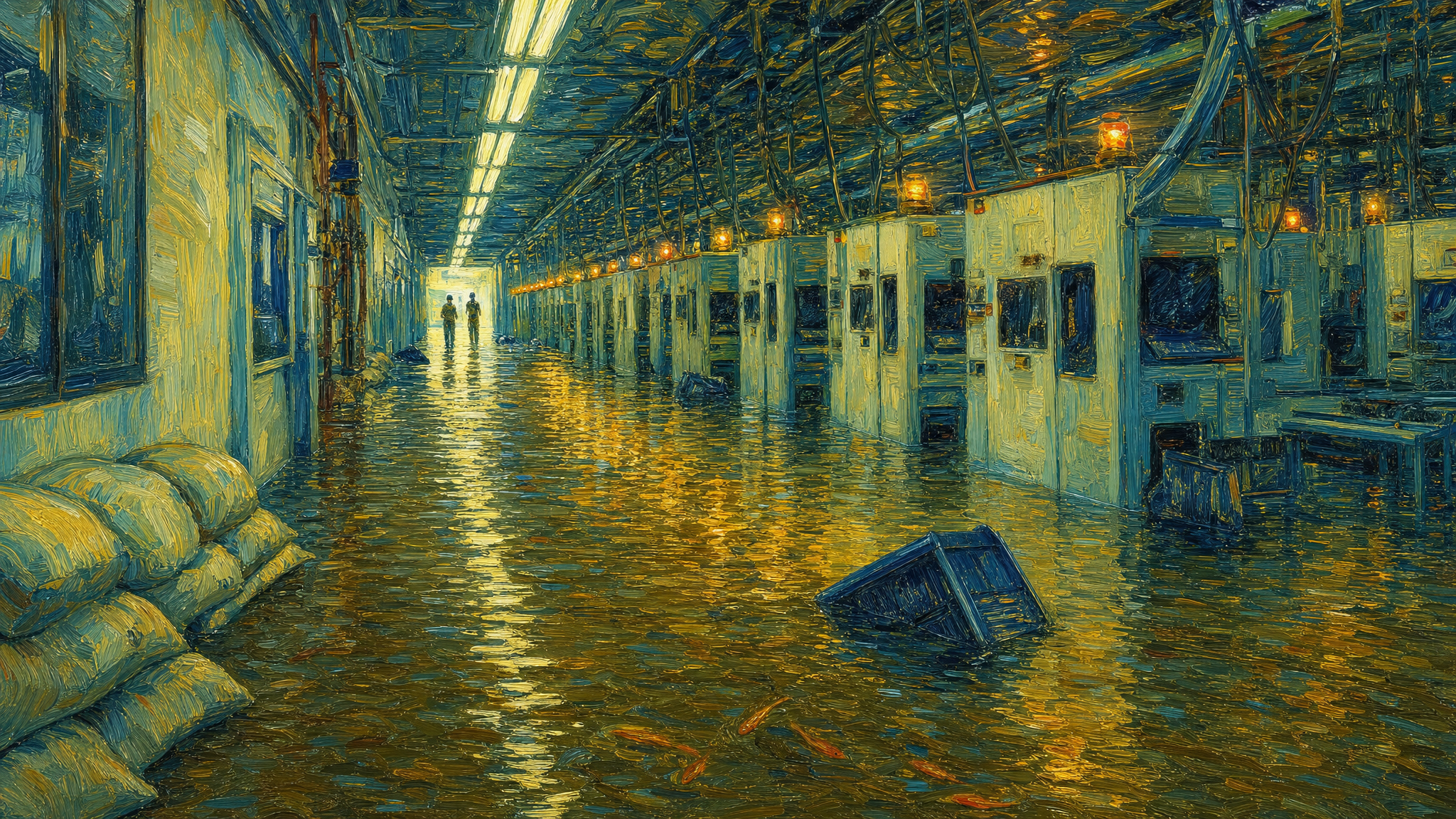
Forty Days of Rain, Two Years of Expensive Hard Drives: Supply Chain Lessons from Thailand's 2011 Flood
Notes on Asianometry's 2026-09-06 episode about how Thailand's 2011 floods took out 40% of global hard drive capacity — and what it teaches about concentration, second-order dependency, and sticky prices. Educational, not investment advice.