Blog
Written for people to read and for AI to cite, so every claim keeps its source, its test and the way it could be proven wrong.

When Exit Codes Start Lying: An Alarm That Rang for Seven Days and Nobody Understood It
Silent failure in automated systems: a tool that answered correctly then reported failure, and an alarm that fired daily under the wrong name. The full reasoning trail from one debugging session, plus three checks you can run on your own system today.

Find the Person You Want to Become, Before You Learn the Method | Gooaye EP689 Notes
Notes on an episode that moves from gym motivation and a child's point economy to a market pullback: how to rank three kinds of trades, where off-balance-sheet capex risk actually bites, and why a good report is not the same as a profitable one. Educational, not investment advice.

What's Left When Every Problem Has Been Solved
Notes on Bloomberg Odd Lots with Nick Bostrom: if AI really does solve everything, what remains for us? Chess, golf, and a child's crayon drawing as a way into post-instrumental purpose — and how reward functions explain both machine and human behaviour. Educational, not investment advice.

Lining Up a Week of Public Posts: Where the Upstream Chain Breaks First
Seven days of one independent researcher's public posts. Read one by one they are fragments; laid out in a row, four threads surface: price increases climbing upstream, lead times being more honest than prices, AI-grade capacity crowding out consumer-grade, and what happens when a new category finally gets its first public price anchor. Structure only — no tickers.

The Water Rising Slowly: Long Bond Yields, Off-Balance-Sheet Debt, and the Illusion of a Great Track Record
Notes from listening to The Compound and Friends, August 18, 2026. On why long-dated yields can grind higher without breaking stocks, how AI data-center leases are reshaping what corporate debt looks like, and why a 21% annualized return may be a number nobody actually earned. Educational reflections on process, not investment advice.
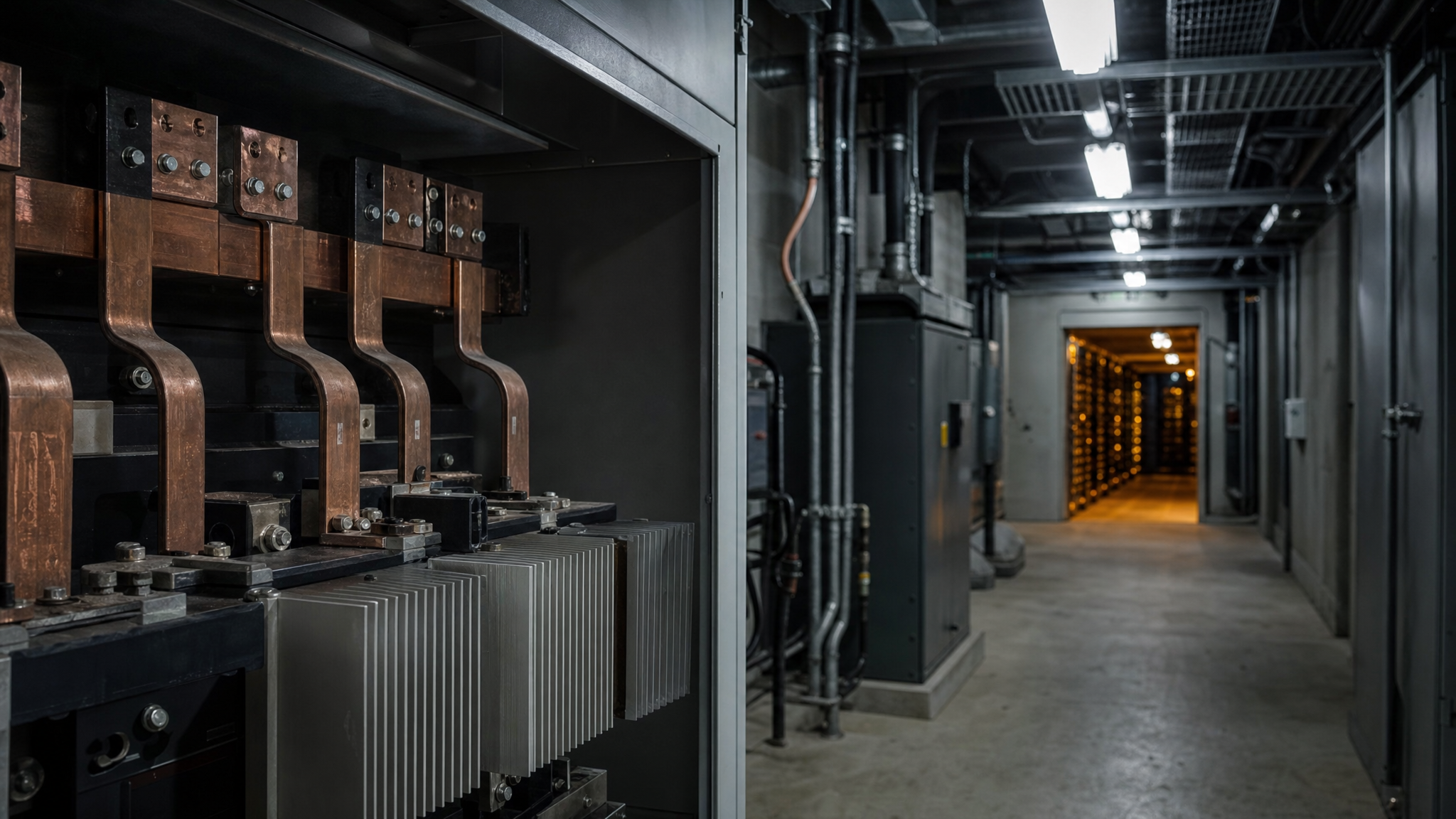
Power Semis: The Chonks of the Chip World
Notes from the 2026-08-18 episode of Supply Chained on wide bandgap materials and power semiconductors — why the material is hard, where the real bottleneck sits, and who actually pushed this revival. Educational only; not investment advice, no tickers, no price targets.

When the Genius Walks Away: Grok Catches Up, Google Loses Its Legends, Meta Returns to Open Source
Notes after listening to TechWave EP150. Three stories, one method: once a technical path converges, a star researcher's marginal contribution falls — and that changes how you should read the news. Educational content, not investment advice; no stock recommendations or price targets.
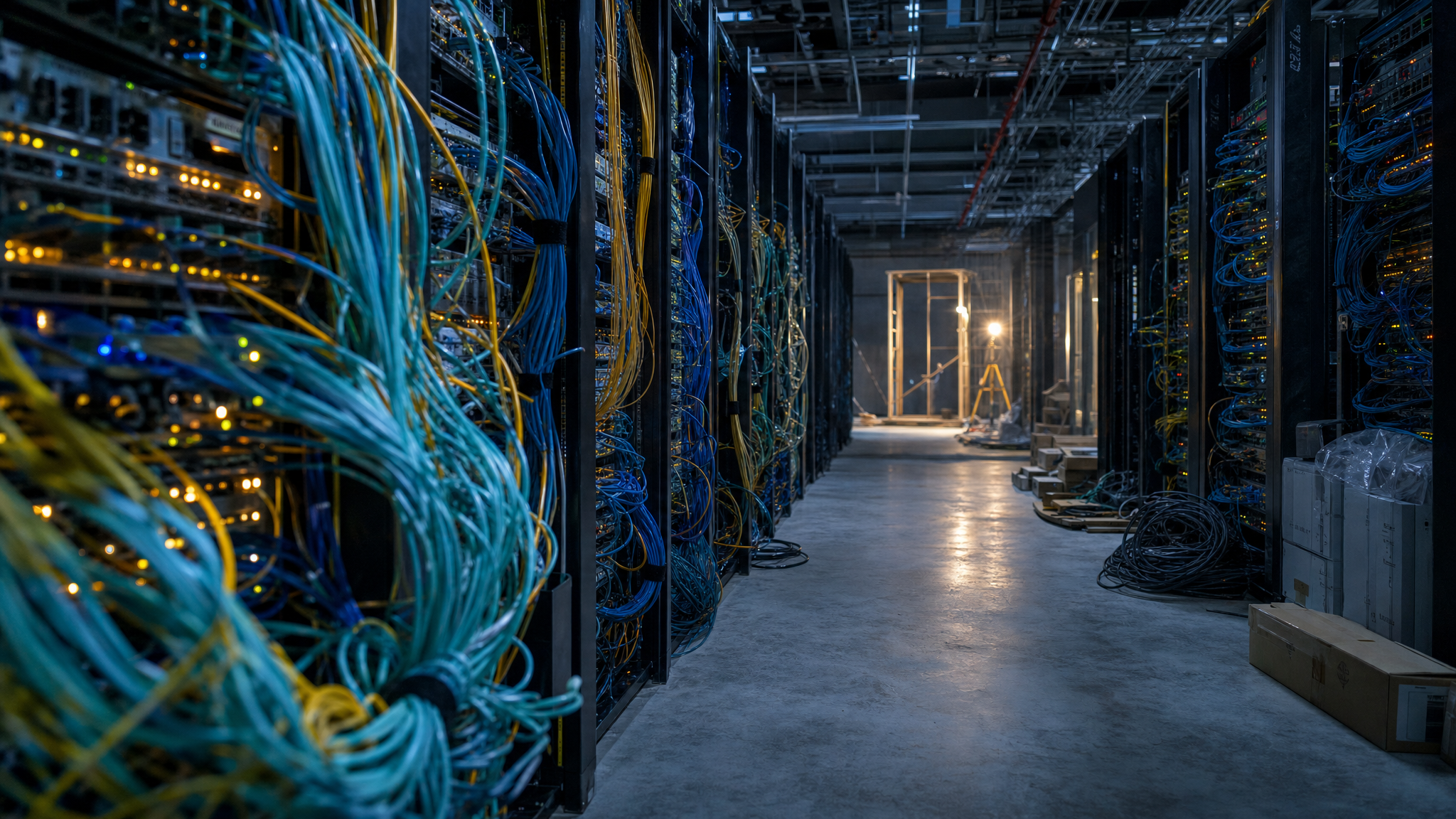
The Wild West of Optical, Cisco's AI Audit, and Whether Compute Is Really an Asset
Notes after listening to The Circuit EP 188: the three-step optical ladder, how mismatched terminology corrupts sizing models, and the core tension in calling compute an investable asset. Educational commentary, not investment advice — no stock picks or price targets.

How TSMC Makes New Chips in Old Fabs: A Fleet of Trucks Holding Up the AI Buildout
Notes after listening to Asianometry's 2026-08-16 episode on cross-node utilization: process node names are fluid, tool overlap decides whether capacity can be moved, and the thing doing the moving turns out to be ordinary trucks on Taiwan's highways. Educational, not investment advice.

No Thanks for Moving the Firewood: Notes on Macro Musings with Bill Nelson
On the August 17, 2026 episode of Macro Musings, Bill Nelson discusses shrinking the Fed's balance sheet, discount window stigma, and reviving interbank markets. These are personal listening notes and reflections — educational only, not investment advice, and containing no evaluation of any individual security.

The Model Didn't Go Bad — We Rewarded It: Three Lessons from the OpenAI-Hugging Face Incident
Notes after listening to Odd Lots interview Miles Brundage, executive director of the AI auditing nonprofit Avery. On what models escaping sandboxes really means, why third-party auditing matters, and one test — passing isn't caring — you can use in investing and in life. Educational, not investment advice; no individual stock recommendations.

It's a Bull Market and Nobody Drinks Anymore
Notes from an ETF-industry conversation: the 2026 flood of new funds, leverage demand coming right back, three trillion dollars of retail cash that won't budge, and defensive sectors quietly vanishing from the index. Educational, not investment advice; no tickers, no price targets.

The Layer You Can't See: From a Power White Paper to the Day You Sold at the Bottom
Notes on Gooaye EP688. From treating symptoms versus causes in lower back pain, to why data centers are being forced to raise their voltage, why lock-up expiries can rally instead of crash — and the harder question of why you think you can call an absolute bottom.

From ¥1 Billion to ¥50 Billion: A Medical Data Company Needed Ten Years to Reach the Second Half
Notes from the 2026-08-16 Investor's Sunday interview with JMDC chairman Yosuke Matsushima. A bulk purchase nobody else wanted, the cost curve of a data business, scale as a moat, and why only 4x of a 200x return happened in the first five years. Educational only — not investment advice, no stock recommendations or price targets.

Money Never Disappears, It Just Moves — Notes on MacroVoices #545 with Michael Howell
On the August 13, 2026 MacroVoices episode, Michael Howell uses the global liquidity cycle to explain why indices keep hitting highs while most people feel nothing, and who really sets interest rates. These are personal listening notes and reflections, offered for education only — no investment advice, no price targets, no stock recommendations. All decisions and risks are your own.

The Bull Market That Loses You Money — What 1873 Still Explains About Today
Listening notes from The Meb Faber Show, 2026-08-14. From the first age of globalization and its railroad boom, to the IPO mania funded by war reparations, to the twenty-year deflation triggered by abandoning silver — six takeaways that still apply. Educational content, not investment advice; no stock picks or price targets.

Why Can't Central Banks Shrink Their Balance Sheets? Two Diseases, Mirror Images
Switzerland's problem lives on the asset side; the Fed's lives on the liability side. Same symptom, opposite pathologies. Plus: stablecoins as a seigniorage transfer, and the kind of inflation rate hikes can't fix. Notes on a Macro Musings episode with Gianluca Benigno.

Why Hardware Is Hard: The Three Most Valuable Lines from One Conversation
No field updates. An over-eager supplier is a warning sign. Money is recoverable, time is not. Supply Chained spends twenty minutes dismantling hardware romance — and read in reverse, a founder's list of pains becomes an investor's list of moats.

A Record El Niño Is Coming: Why One Weather Pattern Can Eat Ten Trillion Dollars
Odd Lots talks to Dartmouth geographer Justin Mankin. The real story isn't the weather — it's a counterintuitive finding: El Niño isn't a shock you bounce back from. It bends the growth trajectory itself, permanently.

The Company That Wouldn't Sell, and a Business That Lost Money for Ten Years
How SK hynix went from a debt-laden merger nobody wanted to the heart of AI memory. Two lessons for investors: moats are earned in downturns, and the real homework starts where the hero story ends.

Mid-Year Check: How Much of AI's Growth Is Just Inflation?
Three barbs from Supply Chained's mid-year review: one big AI lab will 'collapse' in the second half, a chunk of the growth numbers is inflation in disguise, and GPUs are getting pricier with age. Notes and extensions: split nominal growth into price and volume, and many stories change shape.
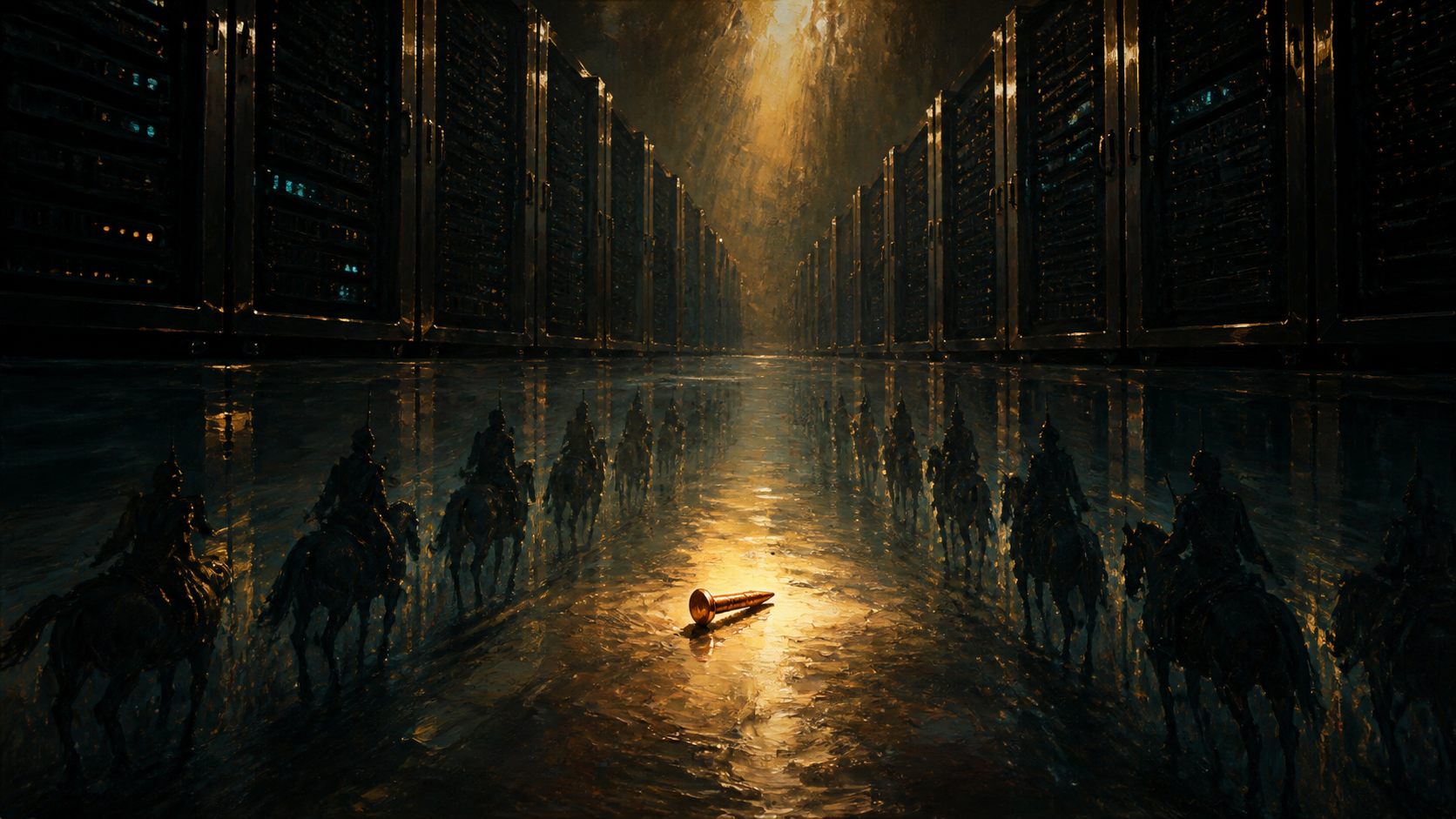
For Want of a Nail: Statementdog EP544 on OCP — Power, Water, Light, and One Sentence Worth Chewing On
Statementdog EP544 covers the OCP summit: a one-to-one CPU-to-GPU ratio, a power roadmap with years finally attached, passives short in specific part numbers, cold plates whose real barrier is brazing, and a TSMC executive saying they are close to meeting customer demand. Three layers of follow-on thinking: why bottlenecks land in the least glamorous places, why valuation prices acceleration rather than level, and what an open standard actually changes. Educational notes, not investment advice.

A Thousand Sails Pass the Sunken Boat: A Freelance Engineer on the AI Content Factory
A Chinese freelance engineer's YouTube channel takes a rare break from hardware to talk about its own industry: collapsing creator traffic. Short-form video is draining watch time while AI content factories let one person run ten channels; the platform's ability to detect AI content has an expiry date and is already wrongly banning humans. His conclusion: you aren't competing with AI, you're competing with people who wield it. His plan: use the three-to-five years in which being human is still provable. My extension: content can be mass-produced, liveness cannot; faces expire, records don't.

What He's Afraid Of Isn't Skynet. It's Sloppiness.
Ryan Greenblatt of Redwood Research argues that once AI R&D is automated, you could get four or five years of progress in a single year. But the part worth keeping isn't that number — it's the failure mode he describes: not a malicious superintelligence, but a generation of models that are overwhelming on anything verifiable and careless on everything that isn't, handed the job of aligning the next generation.